
Hunter Rain-Clik WRCLIK Wireless Rain/Freeze Sensor for Sprinkler System
4.6Editor score
Instant rain freeze shutoff
Wireless maintenance free design
Universal irrigation compatibility
Discover the top irrigation controllers with rain sensors for efficient watering. We compare features, compatibility, and smart controls to help you choose the
Finding the right irrigation controller with a rain sensor ensures your lawn stays healthy without wasting water. These devices automatically pause watering when rain or freeze conditions are detected, protecting your landscape and reducing utility bills.
We evaluated ten leading models based on ease of use, sensor integration, and smart features. Each product was assessed for compatibility with existing systems, durability in outdoor conditions, and ability to save water effectively over time.
Our picks highlight the best options for various needs, from simple timers to advanced smart controllers. Note that prices and availability change frequently, so check current listings before purchasing to ensure you get the best deal available today.
4.6Editor score

4.5Editor score
4.5Editor score
This side-by-side comparison highlights the key specifications and capabilities of each irrigation controller and sensor solution on our list. Review these details to understand how each model handles rain detection, zone control, and smart connectivity features.



The Hunter Rain-Clik WRCLIK stands out as a top choice for homeowners seeking an affordable and reliable rain sensor. It receives high marks for its instant response technology that stops watering the moment rain begins or temperatures drop below freezing. This sensor ensures your sprinkler system shuts down automatically to prevent water waste and lawn damage during adverse weather conditions. It works well with most standard residential controllers that support normally open or normally closed sensor ports.
We may earn a commission when you buy through this link, at no additional cost to you.
One of the most significant advantages of this sensor is its wireless and maintenance-free design. Because it has a built-in battery, you do not need to run wires or dig trenches to install it. You can mount it on a gutter or wall in minutes without special tools. The adjustable vent lets you fine-tune how quickly your system resumes watering after a storm, which is helpful for varying soil types and climates.
While the sensor is excellent, there are a few trade-offs to consider. It operates independently from your main controller, meaning you need to ensure your controller has a compatible port. Also, while it is mostly autonomous, some users may prefer automatic reset features rather than manual or vent-based adjustments in very dry climates. These issues are minor compared to the savings it provides in water and energy costs.
This product is ideal for busy homeowners who want an easy, long-term solution for protecting their lawn without complex setup. It is perfect for those who already have a standard irrigation controller and just need to add rain protection. By choosing this sensor, you can rest assured that your yard will not be overwatered during storms, saving money and preserving landscape health year after year.
Quick response technology ensures your sprinklers stop immediately when rain starts or temps drop, saving water and protecting plants from freeze damage.
The wireless design with built-in battery means no wiring or trenching is needed, allowing you to install it on any wall or gutter in minutes.
We may earn a commission when you buy through this link, at no additional cost to you.
The Rain Bird TM2-6 is a solid option for those who need a straightforward controller that handles rain sensor inputs efficiently. It features a familiar and easy-to-navigate user interface that simplifies programming for users of all skill levels. This model is designed for both indoor and outdoor installation, giving you flexibility in where you place your irrigation control unit. It supports up to six stations, making it suitable for small to medium residential landscapes.
We may earn a commission when you buy through this link, at no additional cost to you.
A key strength of this controller is its rain sensor input with bypass capability. This allows you to connect a rain sensor to automatically pause watering when it rains, while still giving you the option to manually override the sensor if needed. Additionally, it includes a master valve or pump start circuit, which is essential for systems that require a master valve to operate. These features ensure that your irrigation system runs smoothly and safely without unnecessary complexity.
On the downside, this model lacks modern smart features like WiFi connectivity or app control. It relies on traditional dial or button programming, which might not appeal to tech-savvy users who prefer remote management. Also, because it is a basic model, it may not offer the advanced scheduling or water-saving algorithms found in higher-end controllers. However, for those who just want reliable, manual control with rain protection, it remains a strong candidate.
Buyers who prioritize simplicity and durability will find the TM2-6 meets their needs well. It is a great fit for homeowners who want a controller that just works without frequent updates or internet dependencies. If you have a small yard and do not need smart features, this model offers excellent value and performance for keeping your lawn healthy and water-efficient.
The intuitive interface makes programming schedules and settings straightforward, reducing the learning curve for new users or elderly homeowners.
Built-in rain sensor input with bypass capability ensures you can add water-saving protection without losing manual control when necessary.
We may earn a commission when you buy through this link, at no additional cost to you.
The Rain Bird TRU6I earns our Editor's Choice award for its exceptional flexibility and user-friendly design. It is an indoor controller that supports up to six zones, allowing specialized watering schedules for different areas in your yard. The intuitive programming dial and multi-function LCD display make it easy to set and store schedules, even during power outages. You can control watering duration from one minute to six hours, giving precise control over how much water each zone gets.
We may earn a commission when you buy through this link, at no additional cost to you.
This controller offers advanced customization options that appeal to homeowners with diverse landscaping needs. You can set individual programs for each zone with multiple start times, and choose to water based on specific days, odd/even calendar dates, or cyclic schedules. The season adjust feature lets you increase or decrease watering times by a percentage for all programs at once, which is handy as the weather changes. It also includes a rain delay function to suspend watering for up to 14 days or integrate with a rain sensor.
Despite its strengths, there are a few limitations. The controller is designed for indoor installation, so it may not be suitable for outdoor cabinets. Also, while it is WiFi ready, the WiFi module is sold separately, adding to the cost if you want remote access. Some users might find the interface slightly complex if they only need basic functions. However, these drawbacks are minor compared to the powerful scheduling tools it provides.
This product is perfect for homeowners who want detailed control over their irrigation without spending a fortune on smart features. If you have a yard with varied plant types or want to avoid watering on specific days for landscaping crews, this controller delivers. It balances ease of use with robust features, making it a top pick for anyone looking to optimize their watering schedule efficiently and reliably.
Set individual programs per zone with up to four start times each, allowing precise watering for different plant needs and locations.
The season adjust and rain delay features help reduce water waste by adapting schedules to weather and season without manual reprogramming.
We may earn a commission when you buy through this link, at no additional cost to you.
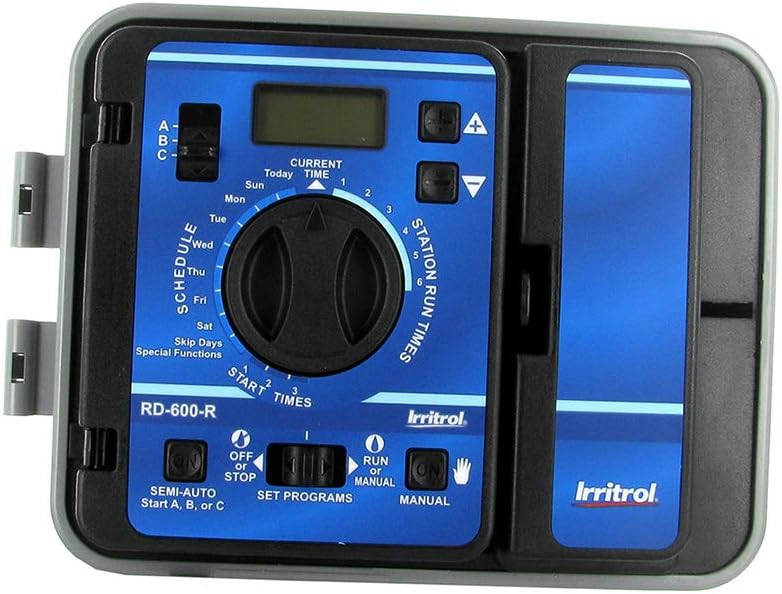
The Irritrol RD600-EXT-R is a robust outdoor controller designed for reliability and ease of integration with rain sensors. It handles six stations and offers three independent programs, giving you the flexibility to manage different types of plant material across your landscape. The unit is compatible with remote control systems, allowing you to operate it from a distance if you prefer. Its outdoor housing is built to withstand the elements, ensuring long-term performance in your garden or yard.
We may earn a commission when you buy through this link, at no additional cost to you.
A key feature of this controller is the rain sensor bypass switch and terminal for sensor hookup. This means you can easily connect a rain sensor to pause irrigation when it rains, and override it when needed. It also includes a water well recovery delay option, which helps prevent over-pumping if you have a well system. These features make it a practical choice for those who want manual control with the option to add weather protection.
While functional, this model lacks modern smart capabilities like WiFi or app control. The interface is older and may not be as intuitive as newer models. For tech-focused users, this might be a downside. However, for those who value simplicity and durability over connectivity, it remains a strong performer. The ability to recover well water and manage multiple programs efficiently adds significant value.
Buyers who need a sturdy outdoor unit that supports rain sensors and well systems will appreciate this controller. It is ideal for homeowners who want a no-fuss solution that handles the basics well. If you are not looking for smart features and just want a controller that works reliably with a rain sensor, this model is a dependable choice for your irrigation setup.
Built for outdoor installation, this controller withstands weather conditions to ensure your irrigation system runs smoothly year-round.
The rain sensor bypass switch and terminal make it easy to add rain protection without replacing your existing controller setup.
We may earn a commission when you buy through this link, at no additional cost to you.
The Rain Bird ARC8 brings smart technology to your yard with its app-based control system. It handles eight zones and allows you to manage your irrigation from anywhere using your mobile device. The unit is EPA WaterSense certified, meaning it meets strict water efficiency standards. It integrates with your local weather forecast to skip or adjust watering automatically, helping you save up to 30% water. Additionally, it is compatible with Alexa for voice control convenience.
We may earn a commission when you buy through this link, at no additional cost to you.
One of the main strengths of this controller is its ease of sharing. You can share control with family members or landscaping professionals, making collaboration simple. The app lets you view schedules, run zones manually, and check weather forecasts to stay informed. This flexibility is especially useful for busy households or those who travel frequently. It adapts watering based on postal code weather data, so you do not have to guess when to adjust schedules manually.
Despite these benefits, the product has received lower ratings compared to other models. Some users may experience issues with app connectivity or setup. The reliance on the app for full functionality can be a drawback if you prefer physical controls. Also, while it is weather-based, it may not offer the same level of customization as other premium controllers. These points should be considered when deciding if it fits your needs.
This controller is best for homeowners who want smart features and remote access at an accessible price point. If you are comfortable with app-based management and want to save water through weather adjustments, this model is a solid option. Just be prepared to potentially troubleshoot setup issues to ensure smooth operation. With the right setup, it can simplify your irrigation management significantly.
The controller uses local forecast data to automatically skip watering on rainy days, helping you save water and prevent overwatering.
Share control with family or professionals through the app, making it easy for multiple people to manage the irrigation system.
We may earn a commission when you buy through this link, at no additional cost to you.
The Rain Bird ESP-TM2 is a robust indoor and outdoor controller designed for quick installation and easy programming. It features a large back-lit LCD display that improves visibility in low-light and direct sunlight conditions, making setup straightforward. The controller is WiFi ready, so you can connect a module to access and monitor your system from anywhere. It includes a factory-installed power cord, simplifying the installation process significantly for most homeowners.
We may earn a commission when you buy through this link, at no additional cost to you.
One of the standout features is the contractor default option, which allows you to save and restore custom schedules easily. This is useful if you need to reset or modify settings without losing your preferred configuration. The unit also supports delaying watering for up to 14 days, with automatic resumption afterward. With internet-based weather information, it can adjust schedules to save up to 30% in water, aligning with smart irrigation goals.
However, the WiFi module is sold separately, which means you may incur additional costs to fully utilize remote features. Also, the unit requires a power outlet for operation, limiting where you can place it. While these are common limitations for this type of controller, they are worth noting if you are looking for a battery-free or all-in-one solution. The core functionality, though, remains strong.
This product is suitable for users who need a reliable controller with the option to upgrade to smart features later. The large display and simple programming steps make it accessible for non-technical users. If you want to save water and manage your system remotely, pairing it with the WiFi module is a great step forward. It balances practicality with advanced features effectively.
The large backlit LCD ensures you can read and program the controller easily, even in dark or bright outdoor conditions.
Internet-based weather adjustments help reduce water use automatically, saving money and supporting conservation efforts.
We may earn a commission when you buy through this link, at no additional cost to you.
The Rain Bird ESP4ME3 offers excellent scalability with up to 22 zones and optional modules. It supports flow monitoring with wired flow sensors, which helps detect leaks and protect against property damage. The controller comes with a power cord for quick indoor or outdoor installation, and it stores settings indefinitely even after power outages. This makes it reliable for homes that need consistent operation without frequent reprogramming. It also supports WiFi connectivity through an optional module for remote access.
We may earn a commission when you buy through this link, at no additional cost to you.
A major advantage of this model is its ability to monitor flow. By adding a flow sensor, you can get alerts for high flow or system issues, potentially preventing costly damage. The non-volatile memory ensures you do not lose your schedule during blackouts. Additionally, internet-based weather information allows the unit to make daily adjustments, saving up to 30% in water. This blend of features makes it suitable for both residential and light commercial sites.
On the downside, the unit is not smart-ready out of the box. You need to buy the LNK WiFi module separately for app access. Also, the interface is standard, not as modern as some smart controllers. If you want immediate smart features, you may prefer a different model. However, for those who value expandability and leak protection, the ESP4ME3 delivers solid performance at a competitive price.
This controller is ideal for homeowners who plan to expand their irrigation system or want leak detection. If you have a larger property or worry about pipe bursts, the flow monitoring capability is a great asset. For those who want a reliable controller that can grow with their needs, this model provides a strong foundation with room for future upgrades and added functionality.
Flow monitoring with optional sensors can detect leaks early, saving water and preventing property damage from unnoticed issues.
Start with four zones and expand to 22 with optional modules, offering flexibility as your landscaping needs grow.
We may earn a commission when you buy through this link, at no additional cost to you.
The Rain Bird ESPME3 allows flexible station configurations ranging from 4 to 22 stations. It includes a large backlit screen and color-coded dial positions for easy reading in dark garages or sheds. This controller is designed for both residential and light commercial sites. It comes with a power plug and outdoor cabinet, which simplifies setup. Additionally, it can be upgraded to a smart controller by adding the LNK WiFi module and a rain sensor for comprehensive management.
We may earn a commission when you buy through this link, at no additional cost to you.
One of the key benefits of this model is its alert system. When used with the LNK WiFi module, you get alerts for electrical or programming issues, or high flow. The red LED and scrolling messages coupled with mobile device alerts ensure you stay informed about system health. This proactive approach helps maintain your irrigation system and avoid unexpected downtime. The large text and symbols also make programming straightforward for all users.
However, to get the most out of the smart features, you need to purchase the LNK WiFi module separately. This adds to the cost and setup time. Also, the alerts depend on having the module active. For those who want a standalone controller without connectivity, this might be overkill. Still, the flexibility and durability of the unit make it a strong contender for various landscapes.
This product is best for users who need flexibility in station counts and want future smart capabilities. The inclusion of an outdoor cabinet adds value, saving you from buying one separately. If you want a controller that can grow and alert you to problems, this model is a practical choice. It balances traditional reliability with modern readiness effectively.
Get notified of issues like high flow or electrical problems via mobile device or LED display to keep your system running smoothly.
Large text and color-coded dial positions make it easy to read and program in any lighting condition.
We may earn a commission when you buy through this link, at no additional cost to you.
The Orbit Rain and Freeze Sensor is a simple yet effective device that automatically detects rainfall or low temperature conditions. It uses water-absorbing disks that expand when wet, causing your controller to suspend watering. A built-in thermistor also detects low temperatures to prevent freezing damage. The sensor is compatible with controllers from Orbit, Hydro-Rain, and other major brands, making it versatile for many existing setups. It helps save water in drought conditions by reducing unnecessary irrigation.
We may earn a commission when you buy through this link, at no additional cost to you.
One of the strengths of this sensor is its adjustable threshold, which lets you change the triggering conditions based on your needs. This flexibility allows you to fine-tune the sensitivity to avoid false positives. It features a weather-resistant wire run to the controller, which ensures durability outdoors. This straightforward design makes it an excellent choice for those who want reliable protection without smart features.
Despite its merits, the sensor requires a wired connection to the controller, which may involve some installation effort. It does not offer smart capabilities like app control or automatic adjustments based on forecasts. For users who prefer modern connectivity, this might feel limited. However, the low cost and reliability make it a practical option for many homeowners.
This sensor is ideal for those who need a no-fuss way to add rain protection to their system. If you already have a compatible controller and want to save water efficiently, this sensor is a great choice. It works well for basic needs and protects your lawn from both rain and cold. For budget-conscious buyers, it offers excellent value.
Adjustable threshold lets you customize when the sensor activates, helping you avoid false triggers and ensure precise control.
Works with many major controller brands, making it easy to integrate without replacing your existing system.
We may earn a commission when you buy through this link, at no additional cost to you.
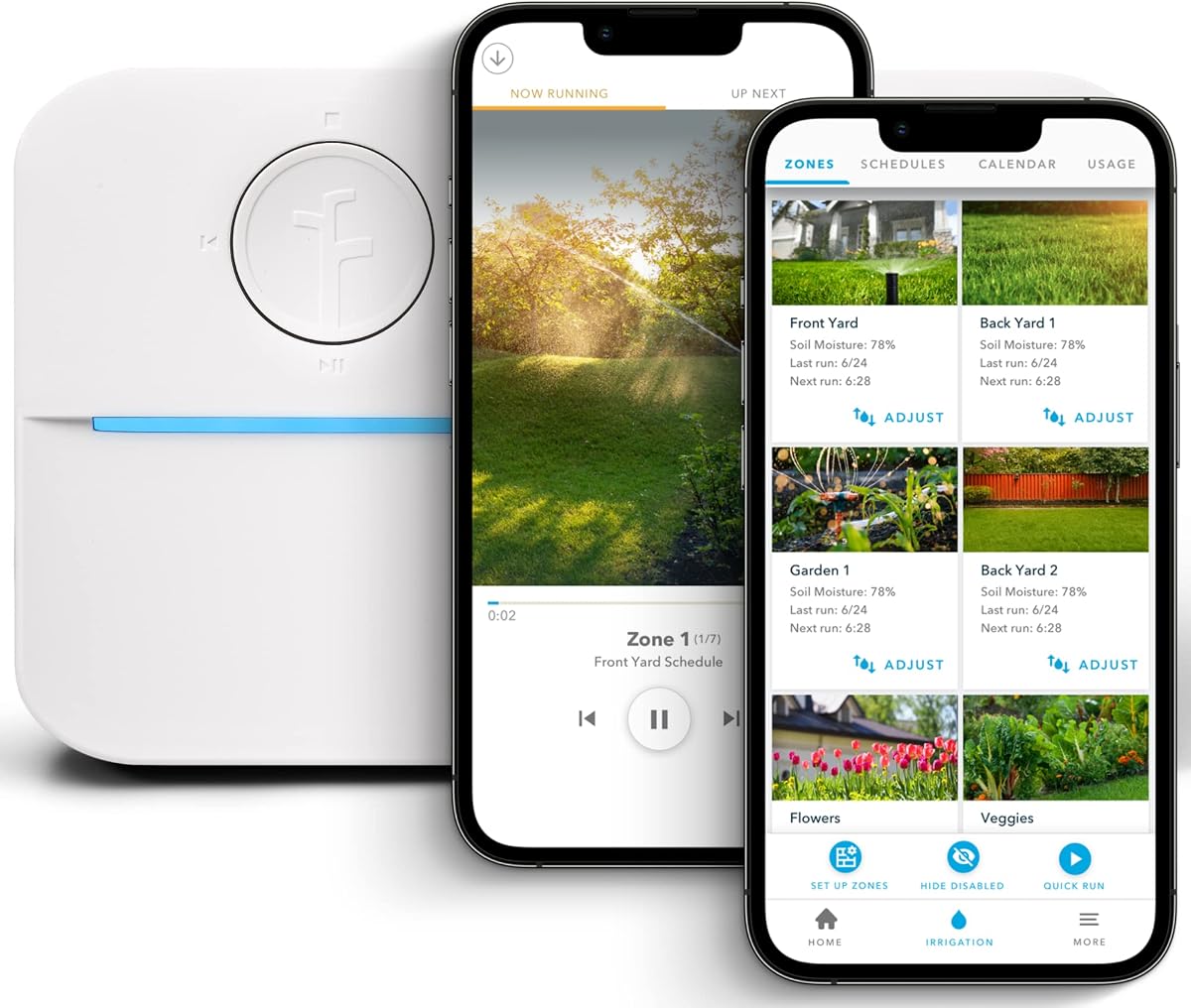
The Rachio 3 represents the top tier of smart irrigation controllers with its patented Weather Intelligence technology. It automatically skips watering for rain, wind, freeze, and more, ensuring your lawn gets the right amount of water without waste. The adaptive schedules help your yard thrive regardless of seasonal changes. It is compatible with Alexa and Google Assistant for voice commands. The controller supports eight zones and is compatible with most existing sprinkler systems.
We may earn a commission when you buy through this link, at no additional cost to you.
A key benefit of this premium unit is its app-based management. You can create your own schedule or let Weather Intelligence adjust automatically, including grow-in options for new plants. The free app lets you manage watering, run zones, view schedules, and track usage from anywhere. Installation is fast, taking 30 minutes or less. This combination of convenience and smart tech makes it a favorite among homeowners seeking top-tier solutions.
On the downside, the price is higher than basic models, and it requires a stable WiFi connection to function fully. If you have connectivity issues, this might be a concern. However, the water savings and advanced features justify the investment for many. It reduces reliance on manual adjustments and provides detailed insights into your water usage.
This product is best for homeowners who want the most advanced features for efficiency and convenience. If you value remote control and automatic weather adjustments, this model delivers unmatched performance. While it comes at a premium cost, the savings and ease of use make it a worthwhile investment for those who prioritize high-quality irrigation solutions.
Skips watering for rain, wind, and freeze automatically using local weather data to ensure optimal lawn health.
Adjusts schedules dynamically based on weather forecasts to save water throughout the year without manual input.
We may earn a commission when you buy through this link, at no additional cost to you.
Selecting the right irrigation controller with rain sensor involves understanding your landscape size, local climate, and desired features. This guide highlights key factors to consider to help you find the best fit for your needs.
Ensure the controller supports your number of zones and is compatible with the rain sensor you choose. Many controllers have specific ports for sensors, so verify the connection type before purchasing. Some models work with normally open or normally closed sensors.
Always check the compatibility before buying to avoid installation issues. Match the sensor to the controller's input type for seamless integration.
Decide whether you need an indoor or outdoor unit. Outdoor controllers must be weather-resistant to handle rain and sun exposure. Indoor models are often simpler but require a protected location. Consider your climate and available space for placement.
Choose a location that is accessible yet protected from extreme weather to ensure longevity and ease of use.
Rain sensors can be wired or wireless. Wired sensors are reliable but require trenching. Wireless sensors offer flexibility but rely on batteries. Choose the type that fits your installation preferences and maintenance capacity.
Wireless options are convenient, while wired ones are more durable. Pick based on your willingness to dig trenches and maintain batteries.
Smart controllers offer app control, weather integration, and voice assistant support. These features allow remote management and automatic adjustments based on local forecasts. If you prefer automation, opt for a WiFi-enabled model with weather data sync.
Smart features add convenience but may require internet access. Evaluate if remote control fits your lifestyle before selecting.
Look for EPA WaterSense certification or weather-based adjustments that save water. These features reduce waste by skipping watering during rain or droughts. High efficiency ratings can lower your utility bills and support sustainability.
Prioritize controllers with proven water-saving features to reduce costs and environmental impact over time.
Consider future needs for zone expansion. Some controllers allow adding modules to increase zone count. This flexibility is useful if you plan to expand your landscaping later. Ensure the base model can grow with your property.
Select a controller that supports future upgrades to avoid replacing it as your landscape changes.
The user interface should be intuitive. Large displays and simple dial or button controls make setup easier. Check if the controller stores settings during power outages. This feature ensures you do not lose your schedule during storms.
Prioritize models with user-friendly interfaces and power outage protection for hassle-free management.
For outdoor models, check the housing durability against UV and moisture. Indoor units should be sturdy enough for daily use. Look for warranties that cover components and service. A reliable build ensures long-term performance.
Choose controllers built to withstand local weather to ensure consistent operation for years.
Install the rain sensor in a location where it is exposed to rain but protected from direct sprinkler spray. Mount it on a wall or gutter away from obstructions. Ensure it has a clear view of the sky for accurate detection. Connect it to your controller using the recommended wiring or wireless setup.
Program your controller to integrate with the rain sensor. Set the desired delay time or threshold for resuming watering after rain. Test the system by simulating rain to ensure it pauses correctly. Adjust settings if necessary to match your climate and soil needs.
Regularly clean the sensor disks or housing to maintain accuracy. Check batteries in wireless units and replace them as needed. Inspect wiring for damage and secure connections. Review your schedule seasonally to adapt to changing weather conditions.
Most controllers do not include a physical rain sensor; they only have ports for one. You typically need to buy a sensor separately. Check your controller manual to confirm if it comes with a sensor or needs one added. Some models support built-in sensors, but these are rare. It is best to verify the specs before purchasing.
A rain sensor detects moisture or low temperatures and sends a signal to your controller to pause watering. Some use disks that expand when wet, others use thermistors. When rain is detected, the controller stops irrigation. It resumes once the weather clears and the sensor resets. This prevents water waste and protects plants.
Yes, many smart controllers support physical rain sensors in addition to weather-based skips. You can choose to rely on the sensor, weather data, or both for redundancy. Check the controller manual to see if the sensor port is supported. Some models allow bypassing the sensor for testing purposes.
Install the rain sensor where it gets direct rainfall but is not hit by sprinklers. Mount it on a wall or under a gutter on the north side to avoid sun drying. Ensure it is not shaded by trees or overhangs. Proper placement ensures accurate detection and prevents false triggers.
Clean your rain sensor at least once a month during the irrigation season. Remove debris, dust, or algae that might block detection. For disk sensors, rinse them gently. Check connections and wires for damage. Regular maintenance ensures accurate readings and prevents system errors.
Most controllers are designed for one rain sensor per unit. Connecting multiple sensors can cause conflicts or false triggers. If you have a large property, consider using a controller with zone bypass or multiple inputs. Check the manufacturer guidelines for compatibility. Using one well-placed sensor is usually sufficient.
Smart controllers use weather data to skip watering, which can replace a physical sensor for most needs. However, a physical sensor provides on-site accuracy for your specific area. Some homeowners prefer both for redundancy. Check if your smart controller supports external sensors if you want both features.
Our top picks include the Hunter Rain-Clik WRCLIK for budget, the Rain Bird TRU6I for flexibility, and the Rachio 3 for premium smart features. Each model offers unique benefits to suit different needs and budgets.
Prioritize compatibility with your existing system, ease of installation, and water-saving features when choosing a controller. Consider whether you need remote access or physical control based on your lifestyle.
Remember to check current prices and availability before purchasing since listings change frequently. Investing in the right controller and rain sensor can save water and keep your landscape healthy year-round.