
TTARTISAN 23mm F1.4
4.9Editor score
Manual focus design
F1.4 wide aperture
Retro aesthetic style
This guide compares the top ten Mft Lens for Video options for 2026, evaluating optical performance, autofocus speed, and stabilization features for creators.
Choosing the right Mft Lens for Video can transform your footage quality significantly. A good lens offers sharp optics, reliable autofocus, and stable operation during recording sessions. Whether you shoot documentaries or vlogs, the glass you pick matters most for visual storytelling success.
We evaluated ten leading options based on optical design, build quality, and real-world video performance. Each product was reviewed for focus breathing, stabilization efficiency, and compatibility with popular Micro Four Thirds cameras. This list covers fixed primes and versatile zooms for every budget and style.
Each pick highlights key strengths like low-light capability or silent focusing mechanisms. You will see detailed pros and cons to help match your specific shooting needs. Please note that availability and specifications may change, so verify details before purchasing to ensure the best fit for your gear.
4.9Editor score
4.8Editor score

4.7Editor score
This side-by-side comparison helps you visualize the differences between each lens option quickly. We focus on focal range, aperture speed, and specific video features like stabilization or motor type.




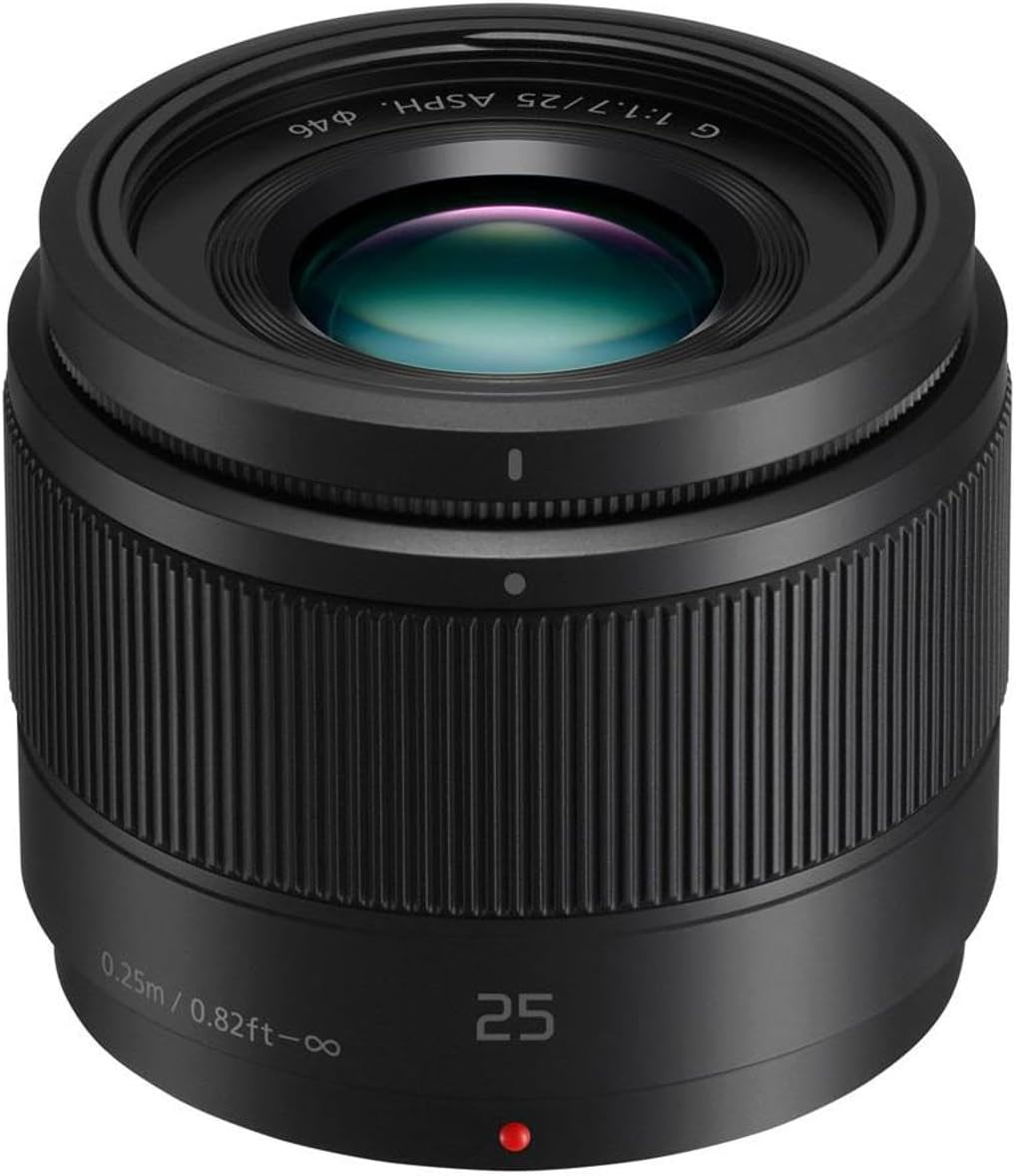
This Panasonic lens stands out as the top choice for video creators needing a reliable prime. With a 4.8 rating, it delivers excellent sharpness and smooth focus transitions. The natural viewing angle makes it perfect for interviews and walk-and-talk content.
We may earn a commission when you buy through this link, at no additional cost to you.
The F1.7 aperture provides beautiful background blur while maintaining good light gathering. Its stepping motor ensures quiet operation during recording, avoiding mic noise. The compact size allows for easy mounting on gimbals without significant counterweight changes.
While it lacks optical stabilization, the lightweight design helps minimize camera shake in most scenarios. Users may find the fixed focal length requires moving physically to frame shots, but the image quality compensates for this trade-off effectively.
Videographers seeking a versatile prime should consider this lens as their primary glass. It balances performance and portability better than many competitors. For general purpose video work, this model remains a strong recommendation.
The lens construction includes aspherical and UHR elements that reduce distortion significantly.
The stepping motor focuses smoothly without audible noise for professional video recording.
We may earn a commission when you buy through this link, at no additional cost to you.
This Leica branded lens offers premium quality for serious videographers needing ultra-wide capabilities. Its 4.7 rating reflects high performance in professional environments. The rugged design handles harsh conditions better than standard consumer lenses.
We may earn a commission when you buy through this link, at no additional cost to you.
The short focusing distance and wide aperture create striking close-up visuals. Minimal focus breathing ensures stable framing when adjusting focus during takes. The smooth aperture control allows for gradual exposure changes without flickering.
The main drawback is the cost, which is higher than other options. Additionally, extreme wide angles can introduce distortion if not corrected in post-production. These factors are acceptable for professionals prioritizing optical excellence over budget.
Investors in high-end video gear should add this lens for dramatic perspectives. It complements standard focal lengths well. For landscapes or tight interior shots, this lens provides unmatched versatility.
Dust splash and freeze resistant design withstands heavy field use under harsh conditions.
Adheres to stringent LEICA standards ensuring ultimate optical quality and performance.
We may earn a commission when you buy through this link, at no additional cost to you.
This OM SYSTEM lens serves as a great secondary option for reaching distant subjects. With a 4.6 rating, it performs well for events and portraits. The lightweight build makes it easy to carry around all day.
We may earn a commission when you buy through this link, at no additional cost to you.
The nearly silent motor is beneficial for recording audio directly. Its zoom range allows flexibility without changing lenses frequently. The maximum reproduction ratio is decent for casual close-up work.
The variable aperture limits low-light performance compared to primes. Lack of optical stabilization requires steady hands or a tripod. These limitations are typical for budget telephoto zooms.
Shooters needing reach without breaking the bank will find this useful. It pairs well with a fast prime. For general travel and family events, this lens offers solid value.
Nearly silent movie and still compatible auto focus is perfect for second lens.
3.75x zoom lens offers 80 to 300 millimeter equivalent field of view.
We may earn a commission when you buy through this link, at no additional cost to you.
Known for portraits, this lens delivers stunning results for close-ups and videos. The 4.7 rating confirms its reliability across many uses. Its bright aperture helps in dim indoor environments effectively.
We may earn a commission when you buy through this link, at no additional cost to you.
The seven-blade diaphragm creates soft background blur that highlights subjects well. Quiet operation ensures smooth focus transitions during interviews. The minimum focusing distance is close for intimate shots.
Some may find the focal length too short for distant subjects. Stability can be an issue in low light without a steady hand. However, its portability makes it a frequent travel companion.
Portrait videographers will appreciate the optical character and speed. It is an excellent companion to a wider lens. For storytelling focusing on people, this is a top contender.
Rounded seven-blade diaphragm contributes to a pleasing bokeh quality.
Maximum f/1.8 aperture delivers beautiful defocused backgrounds and bright images.
We may earn a commission when you buy through this link, at no additional cost to you.
This lens features an electric zoom ring for fluid focal length changes. A 4.4 rating reflects decent performance for casual video work. The power zoom allows precise control without physical movement.
We may earn a commission when you buy through this link, at no additional cost to you.
Optical stabilization helps keep shots steady during handheld recording. Nano surface coating minimizes reflections for cleaner images. The compact size fits well on smaller mirrorless bodies.
The variable aperture limits reach in darker environments compared to f2.8 lenses. Some users report slight motor noise during zoom which might affect audio. Using an external mic can mitigate this issue.
Vloggers looking for smooth transitions will like the power zoom. It is practical for everyday use. For run-and-gun shooting, this provides good versatility.
POWER O.I.S. integrated into the lens makes it easy to shoot sharp images even in low-lit situations.
Nano Surface Coating technology minimizes reflections at entire visual light range.
We may earn a commission when you buy through this link, at no additional cost to you.
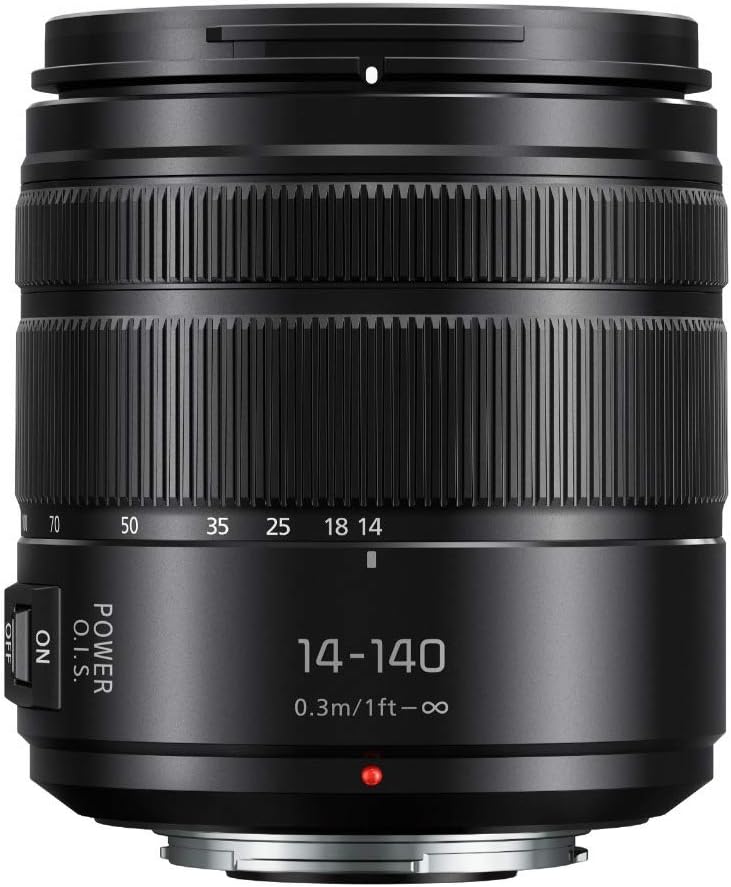
This lens is a workhorse for travelers who need one lens for everything. With a 4.6 rating, it balances range and quality well. The rugged design suits outdoor adventures and harsh weather.
We may earn a commission when you buy through this link, at no additional cost to you.
Power OIS effectively compensates for movement at long focal lengths. It includes three aspherical and two ED lenses to reduce aberration. The metal mount adds durability for frequent use.
At full zoom, the aperture is slower than standard primes. The length makes it less ideal for handheld video without stabilization. Using a tripod or gimbal is recommended for stability.
For family vacations or events where changing lenses is inconvenient, this fits well. It captures wide and tele perspectives efficiently. A strong contender for convenience over peak speed.
Durable splash and dust resistant construction ideal for heavy field use while maintaining compact profile.
Comprised of 14 elements in 12 groups minimizing distortion and chromatic aberration efficiently.
We may earn a commission when you buy through this link, at no additional cost to you.
Sigma brings high-quality glass to the MFT system with this prime. Its 4.7 rating indicates professional-level sharpness and color. The 56mm equivalent is useful for portraits and details.
We may earn a commission when you buy through this link, at no additional cost to you.
Smooth and quiet autofocus helps keep subjects in focus during action. Eye AF compatibility enhances tracking reliability when supported by the camera body. The weight is low compared to similar lenses.
Cost is a factor as this is priced for performance. The fixed focal length requires you to move for framing. If you shoot static setups, this is a minor inconvenience.
Those wanting creamy bokeh and sharpness should look here. It rivals full-frame performance in its class. A great addition to a pro kit.
Featuring compact design, light weight and outstanding image quality offered in Sigma’s Contemporary line.
Smooth and quiet autofocus ideal for video shooting with face recognition support.
We may earn a commission when you buy through this link, at no additional cost to you.
For budget creators, this lens offers a unique manual experience at a low cost. A 4.9 rating suggests high satisfaction among users despite its limitations. It mimics a natural field of view effectively.
We may earn a commission when you buy through this link, at no additional cost to you.
The tactile clicky aperture ring allows precise exposure adjustments. The F1.4 aperture works well in dimly lit environments. The retro design adds style to the camera body.
Manual focus requires skill and patience during live recording. It may not suit fast-paced events where auto focus is critical. For controlled scenes, this provides a classic workflow.
Indie filmmakers and artists may prefer this manual control. It forces slower, more deliberate composition. A fantastic option for creative experimentation.
Features a tactile clicky aperture ring for precise adjustments from f/1.4 to f/16.
Sophisticated design with 6 groups and 8 elements reducing chromatic aberration effectively.
We may earn a commission when you buy through this link, at no additional cost to you.
This lens provides a useful zoom range in a small package. With a 4.5 rating, it is reliable for general shooting needs. The inner focus system maintains balance during operation.
We may earn a commission when you buy through this link, at no additional cost to you.
Near silent focusing via stepping motor is great for video. Mega OIS helps reduce hand shake significantly. The seven aperture blades produce smooth out-of-focus areas.
The aperture range is slower compared to higher end options. It may struggle in very low light without high ISO. Still, its cost and size make it attractive.
Ideal for casual video shooters needing extra reach. It is light enough for long events. A practical tool for expanding your toolkit.
Panasonic Mega O.I.S. makes it easy to shoot super clear shots even in low lit situations.
Inner focus system enables excellent resolution and contrast from full life size magnification to infinity.
We may earn a commission when you buy through this link, at no additional cost to you.
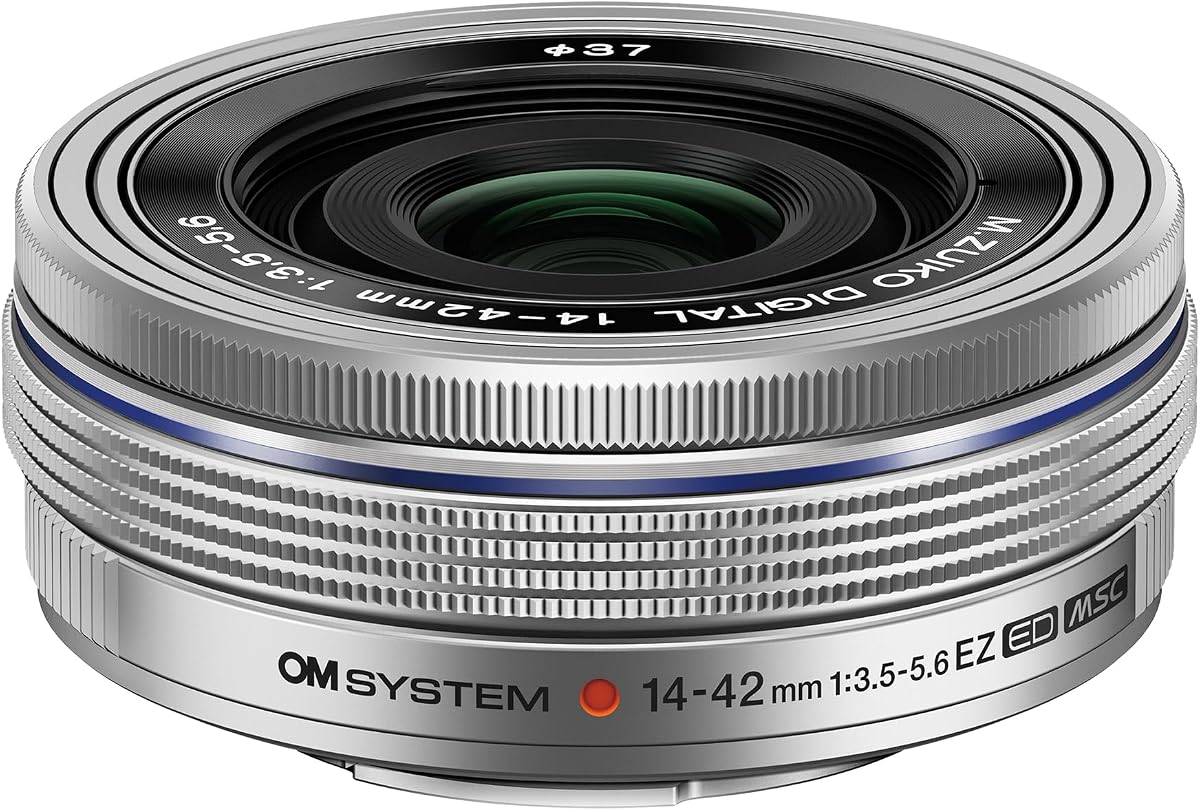
This lens offers a modern approach with electric zoom capabilities. A 4.4 rating shows it meets expectations for simple shooting. The silver finish looks sleek on compatible cameras.
We may earn a commission when you buy through this link, at no additional cost to you.
Electric zoom allows for smooth focal shifts manually. Wireless zoom control via remote adds flexibility. The fully rotating focus ring aids in precise adjustments.
Performance is adequate for general use but lacks premium features. It may not be sharp enough for critical work. However, its ease of use is a plus.
For beginners or content creators needing simplicity, this is a good fit. It reduces the learning curve. A practical starting point for new users.
Electric zoom feature for video shooting and wireless zoom control via remote.
Fully rotating focus ring and compact design for easy handling.
We may earn a commission when you buy through this link, at no additional cost to you.
Selecting the right lens involves balancing technical specs with practical needs. This guide outlines the most important factors to consider for video work.
Focal length dictates the field of view and perspective of your shots. Shorter lenses like 9mm or 25mm capture wide environments while longer ones like 150mm isolate subjects. Choosing a range that matches your common shooting scenarios ensures you do not miss moments.
Select a focal length that aligns with your typical subject distance and framing needs.
Aperture controls light intake and depth of field. Faster lenses with wider apertures like f1.4 perform better in low light and create stronger background blur. This is vital for interviews or dim interiors where lighting is limited.
Prioritize wider apertures if you shoot in varying light conditions often.
Smooth and silent autofocus motors are critical for video to avoid camera noise. Some lenses feature face or eye detection for better tracking of moving subjects. Testing for focus breathing is also important to maintain framing stability.
Look for lenses with stepping motors or advanced tracking support.
Optical stabilization helps counteract camera shake during handheld recording. While some cameras have in-body stabilization, lens-based stabilization provides an additional layer of smoothness. It is essential for telephoto zooms where small movements are magnified.
Check if the lens includes OIS if you shoot handheld frequently.
Durability matters when shooting outdoors or in rugged environments. Weather sealing protects against dust and moisture. Lightweight designs reduce fatigue during long events or travel. High-quality materials also often correlate with better internal mechanics.
Choose robust construction if you plan to use the lens in tough conditions.
Zoom lenses offer flexibility without changing gear, while primes typically offer sharper optics and wider apertures. Consider if you need to move quickly between focal lengths or if quality is the priority. Many professionals use a combination of both types.
Decide if you prioritize versatility over maximum optical speed.
Ensure the lens mount matches your camera body exactly. While many MFT lenses work across brands, some features may vary between Olympus and Panasonic systems. Always check firmware support and electronic contacts before buying.
Verify mount compatibility to avoid functionality issues.
Budget constraints often dictate options but high-end lenses last longer. Weigh the cost against the features you truly need. Entry-level options exist for casual creators but professional tools justify higher costs with reliability.
Balance your budget with the required performance level.
Clean the front and rear glass regularly with a microfiber cloth to prevent dust buildup. Avoid touching the glass with fingers to reduce smudges. Store the lens in a dry case when not in use to protect against humidity and scratches.
For video shooting, practice smooth movements to complement the optical image stabilization. Use your body as a tripod when possible. If using zoom lenses, practice the zoom ring to get fluid transitions without jerking the camera.
Update camera firmware periodically to ensure full compatibility with lens features like electronic zoom or aperture rings. Check for known compatibility issues between lens mounts and camera bodies before investing in expensive gear.
Generally yes, but some electronic features may vary. For instance, Panasonic lenses may not offer all functions on Olympus bodies. Always verify feature compatibility like stabilization or electronic aperture control.
Most modern lenses work well with standard autofocus modes. However, disabling continuous auto-focus can reduce noise. Some cameras allow setting focus travel distance to smooth transitions during recording.
Lens stabilization works specifically for the optics and helps with long focal lengths. In-body stabilization moves the sensor and works with any lens. Combining both provides the best results for handheld video.
Yes, primes are often preferred for their sharper optics and larger apertures. They are excellent for controlled environments where you can move to frame the shot. They offer better low-light performance than many zooms.
Aim for between f2.8 and f4 for most outdoor scenes. Wider apertures like f1.4 are great for low light but have shallow depth of field. Avoid fully open apertures if you need more focus range.
Focus breathing occurs when the focal length shifts during focusing. Choose lenses known for low focus breathing like the Panasonic Leica models. Post-production software can also correct minor breathing effects.
The Panasonic 25mm F1.7 leads as the best overall due to its balance of speed and quality. The TTARTISAN 23mm offers incredible value for those willing to shoot manually. Premium creators should consider the Leica 9mm for its rugged build and optical excellence.
Prioritize autofocus quietness and stabilization if you record handheld often. For controlled setups, aperture and sharpness become more important. Match the lens features to your specific video style for best results.
Always check the latest availability and reviews before purchasing. Conditions and firmware updates can change performance over time. Invest in glass that grows with your skills and workflow.